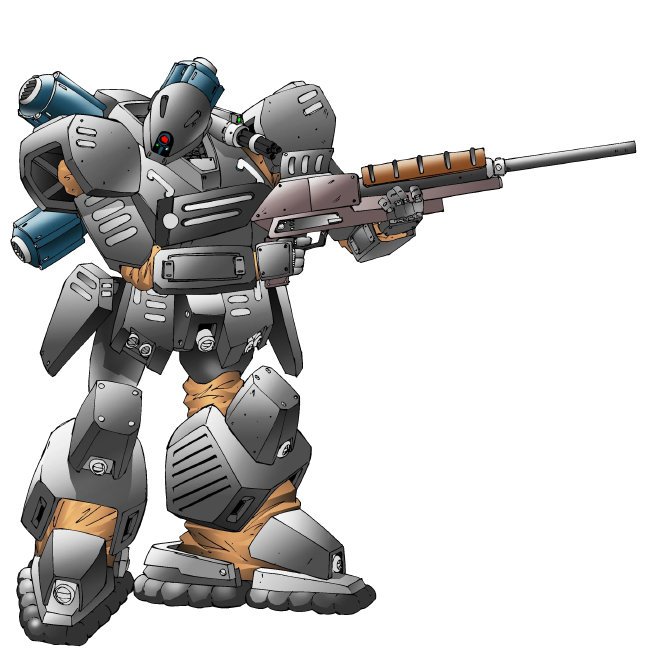
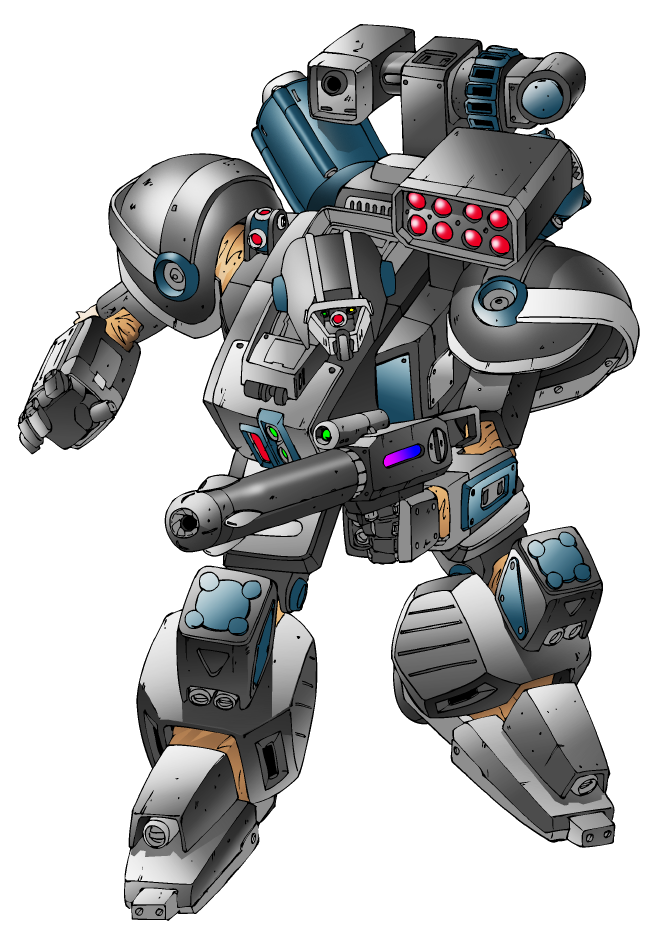
The Brahmin and Pride-Killer Cobras

The Brahmin Project

The Brahmin Cobra project dates to 1916 but it was not until the 1930’s that workable designs were finalized. Originally designed as a heavy C3 gear, the Brahmin originally mounted a heavy snub cannon and significant communications gear. Prototyping was still in process during the Inter Polar War but the data provided allowed Territorial Arms to develop a more fearsome machine. The most direct results of this data were the splitting of the Brahmin C3 suite from the base weapons loadout. The Brahmin’s communications gear was adapted as an addon for existing Cobras. Issues around the back mounted rockets delayed its deployment but by the late 1940s the Brahmin upgrade was available in limited numbers. The original weapon loadout proved very popular in the field and requests came in for Brahmins that would go on to fill assault roles instead of command and control roles. Territorial Arms took the loadout and created the Pride-Killer Cobra, a direct challenge and insult to the CNCS and its seeming obsession with snub cannons.

[Read More]
Categories: blitz  Tags: HGB3.1 

The Victor Siege Tank

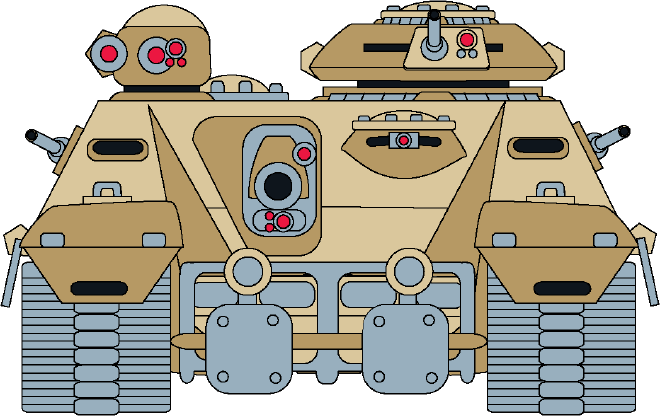
The WFP is the poorest league in the northern hemisphere. Because of this, the Protectorate has needed to be economical with its purchases and acquisitions. This frugality has led to a number of highly rugged designs and Westerners hold as a point of pride the ingenuity needed to keep many of them in service far longer than then expected. One major area of cost is in main battle tanks. The WFP, like its northern neighbors uses the Norlight Aller tank and supplements with its own unique designs as needed. The cost of a full tank and the advanced weapons have always put a strain on the Protectorates limited resources. The WFP looked to Western Armories to produce a cheap tank/siege vehicle that could be used in place of Allers or in support of them. Western Armories started with the basic Aller hull and made an extensive set of changes which resulted in the Victor self-propelled gun. The Victor, named after Cristobal Victor, a historic clan head from the Cristobal clan, was the answer. The cost savings on forgoing the use of a turret and several other features makes this tank cheap while its reputation against much more advanced tanks makes it popular. Brok Enterprises has been somewhat quiet about the use of the chassis for this new design. The fact that Western Armories buys the chassis from Brok before modification has somewhat soothed any ruffled feathers.

[Read More]
Categories: blitz background  Tags: HGB3.1 

CEF Frame Type F-99 & F81-12

Via the aesome power of Extended Content, the CEF has gained access to the Type 81-12 and F99 Frames. [Read More]
Categories: blitz  Tags: HGB3.1 

The Stalker Commands Peace River

PA-02LG/ST-01C Stalker

With the polar forces deploying increasingly more sophisticated reconnaissance and stealth Gears, the PRDF High Command became concerned that their current crop of recon Gears would not be up to the task of penetrating enemy areas of operation and reporting back to base. In the Summer of TN 1927 the High Command ordered a new series of stealth/recon vehicles to be built for the PRDF. In the Winter of TN 1930, Paxton Arms rolled out the first prototype of the Stalker.

[Read More]
Categories: blitz hobby  Tags: HGB3.1 

The Celt Engineering Tank

EST-89 CELT

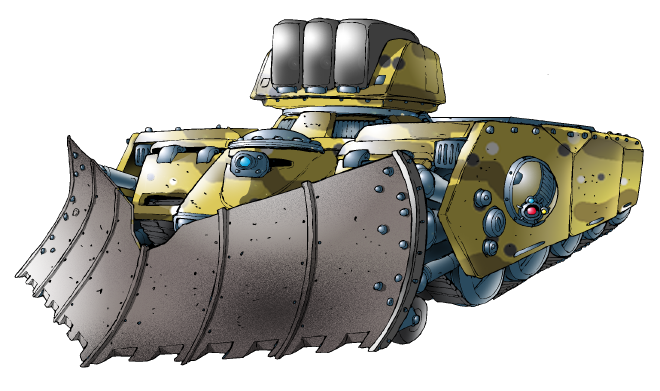
Minesweeping is a dangerous task, best handled by specialist units. The Celt has been designed especially for this purpose. The lower hull and drive train are based on the Hun, though considerable modifications have been made to reinforce the structure to face the requirements of the new operation role. The entire front section of the tank is occupied by a large armored mine plow. The sensor pods, which contain the highly sensitive mine detectors, are placed in blisters located on either side of the chassis. Extra armor is bonded to the bottom of the hull, providing extra protection against exploding mines. In addition, the low fuel capacity and the improved self-sealing tanks further reduce the chances of catastrophic detonation in case a mine slips by. The turret is replaced by a det-cord launcher which uses plastic explosive hoses carried by small rockets to clear a path through the suspected minefield area. Celts and other minesweepers are rarely encountered by grunts. The fluid battlefield and skirmish tactics used nowadays don’t mix well with extensive minefields.

[Read More]
Categories: blitz  Tags: HGB3.1 

The Baxter Engineering Tank and Thunder Aller

ENT-2 BAXTER

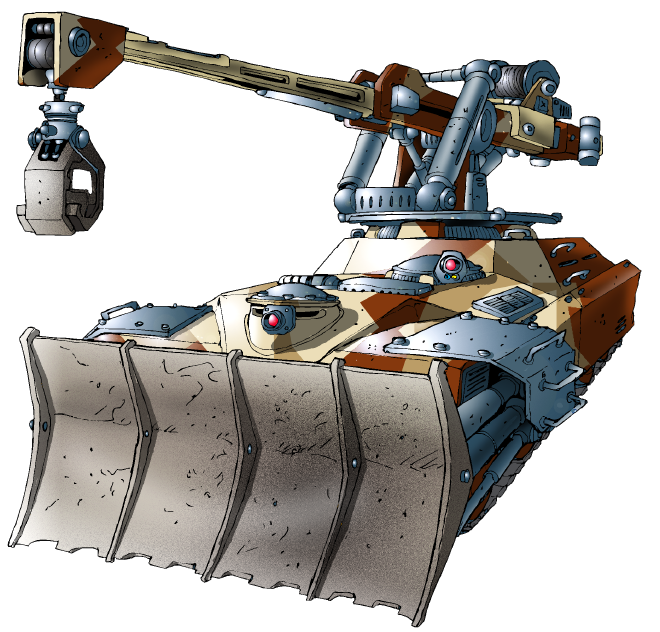
The Baxter answers a need for a dedicated battlefield “towtruck” capable of salvaging the heaviest Main Battle Tank. The Baxter is based on the chassis of the Klemm, the most common light battle tank in the Norlight army. In this case, however, the chassis has been extensively modified and strengthened for its new role. The engine and transmission have both been replaced by more powerful systems for an increased towing capacity. The turret is a new high torque model that carries a sturdy crane capable of lifting nearly 50 tons with the tank appropriately braced. A hydraulically activated earthmoving blade is attached to the front of the hull for filling in ditches and digging earthworks. Attachment points for digging cannons are provided on both sides of the hull, which also features numerous handles and tie- down rings. The Northern Guard engineering companies attached to mechanized units always have at least one Baxter in service, more if they can manage to get them. Since they are unarmed, Baxters are kept out of the way during battles.

[Read More]
Categories: blitz  Tags: HGB3.1 

The Caprice Reubeni Attack Trike

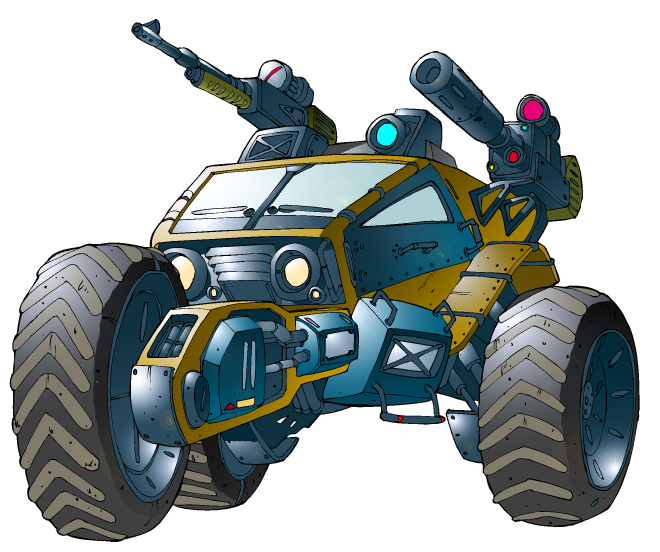
The Reubeni attack trike is based on a scouting and exploration all-terrain vehicle that was itself derived from the Mule all-purpose truck. Except for the addition of armament and some performance tune-ups, the vehicle is basically the same. Most of the time, the guns are taken from downed corporate units: the most common configuration mounts a light rifle and a light machinegun scavenged from other vehicles. The fire control system is simple but reliable and uses remote bore-sighted gun cameras to relay targeting information to the gunner’s display. A makeshift gunnery station occupies the space previously reserved for a bunk area.

[Read More]
Categories: blitz  Tags: HGB3.1 

The Heavy Shooter Dartjäger

OACS-O1M/HRRV HEAVY SHOOTER DARTJÄGER

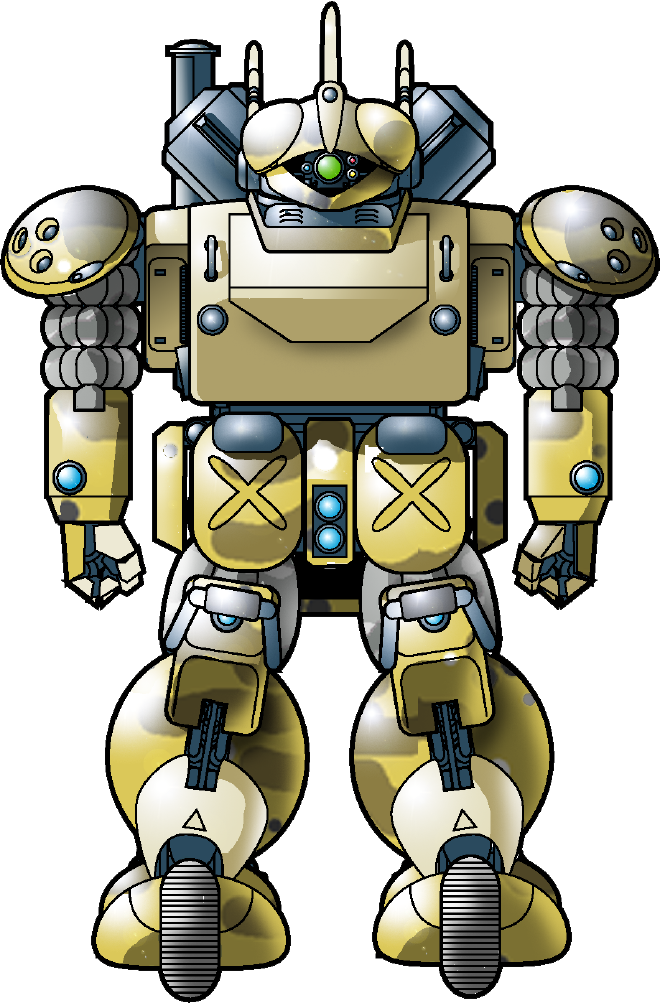
The Dartjäger rapid deployment vehicle has had a distinguished period of service, being deployed across the Badlands and the Antarctic to deal rapidly with trouble spots. The relatively light weapons payload of the Dart has been problematic for its pilots, however. Deploying well ahead of any fire-support units, Dart pilots can rapidly find themselves out-gunned if the opposition they face proves greater than anticipated by intelligence reports. A rapid-deployment fire-support vehicle was needed to travel alongside Dartjägers, so MILICIA technicians set to work. It was critical that the unit — dubbed the Heavy Shooter — be able to match the standard Dart pace for pace, so it quickly became clear that multiple heavy weapons would prove too heavy for the task at hand. A Rucker unguided mortar was chosen for its durability and low price-tag; all other weapons were stripped to save weight. The disadvantage of the mortar is its inability to fire at close range, forcing the Heavy Shooter to hang back from the main body of the unit it is supporting. In 1950 the success of the Dartjäger led to it being a test platform for more powerful mortars. Similar in size to the previous mortar, the newer weapon system provides an improved payload, while remaining lightweight, at the expense of a bit of ammunition storage. These changes have made it less effective in prolonged engagements, but still ample for the shorter skirmishes it’s designed for. To prevent a failure of communication due to harsh conditions or electronic counter measures, the Gear is also equipped with an Obelisk Electronics VOX-90 communications system.

[Read More]
Categories: blitz rpg  Tags: HGB3.1 

Perseus Rapid Recon

PA-PX07 Perseus

The Perseus was one of the latest designs to originate from the depths of the Paxton Karaq Wastes Research and Development facility. Meant to serve in a multi-role scout/harasser capacity, the Perseus’s primary mission would be to detect any large force heading towards Peace River, perform hit and run attacks along their entire advance, and to continue to do so in their rear once the enemy force had reached their destination.

[Read More]
Categories: blitz hobby  Tags: HGB3.1